Introduction
Mushroom cultivation in India has emerged as one of the most promising sectors in modern agriculture. With growing awareness about health, sustainability, and profitability, mushrooms are no longer just a niche product; they’re becoming a household staple. India, with its diverse agro-climatic zones, abundant agri-waste, and increasing entrepreneurial spirit, stands at the cusp of a mushroom revolution.
Current Status of Mushroom Industry in India
As of 2025, mushroom cultivation in India is growing at a steady CAGR of around 6-7%. The country ranks among the top producers in Asia, primarily focusing on three varieties:
- Agaricus bisporus (Button Mushroom) – Accounts for nearly 85% of total production.
- Pleurotus spp. (Oyster Mushroom) – Gaining popularity due to ease of cultivation.
- Volvariella volvacea (Paddy Straw Mushroom) – Regionally grown, especially in eastern and southern India.
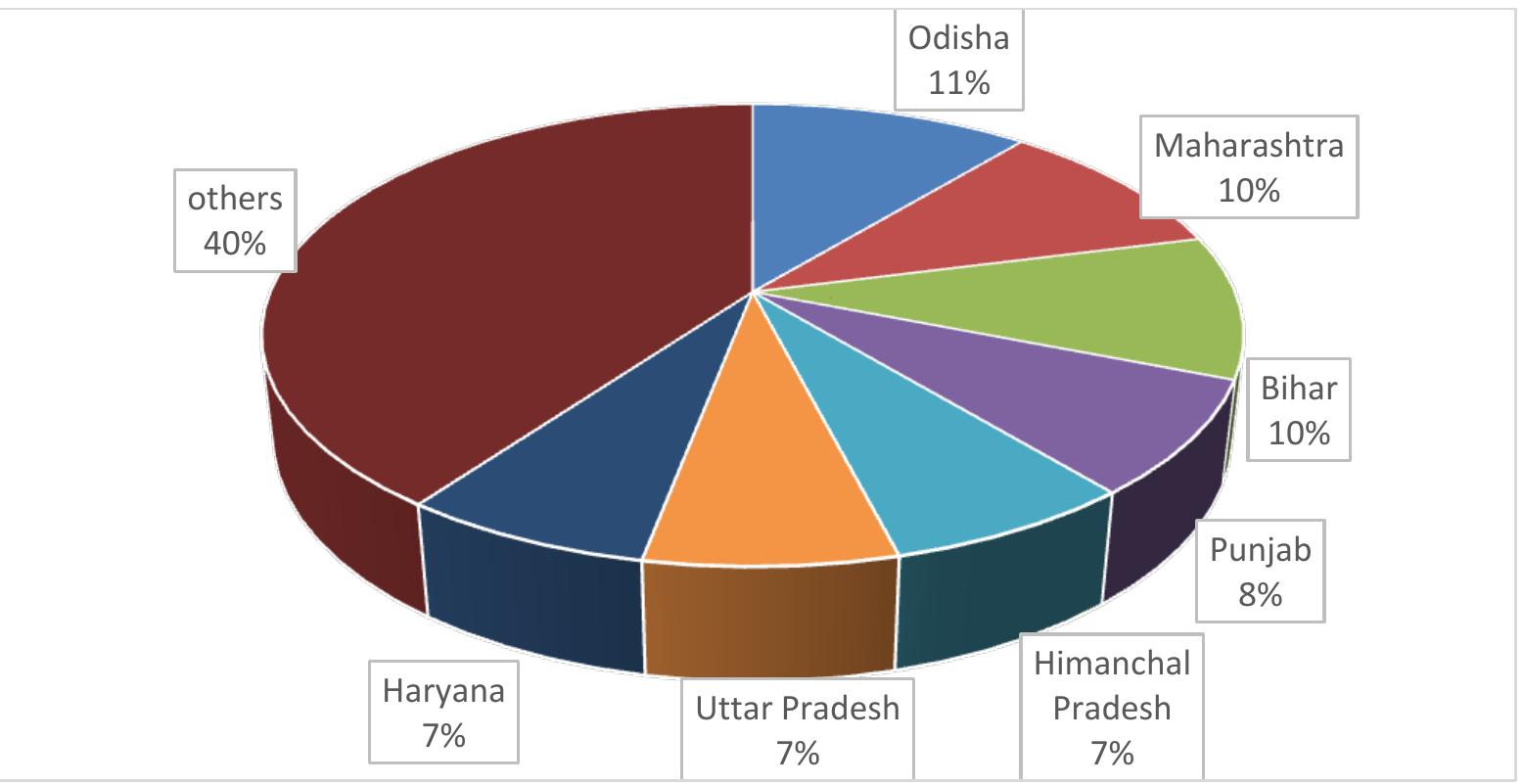
States like Punjab, Haryana, Himachal Pradesh, Uttar Pradesh, and parts of Maharashtra and Tamil Nadu are leading the charge, with both small-scale units and industrial-level farms.
Why Mushroom Cultivation is Booming in India
- Low Capital & High Returns – Ideal for small and marginal farmers.
- Health Conscious Consumers – High protein, low fat, and immunity-boosting benefits.
- Agri-Waste Utilization – Straw, sawdust, and husk are effectively recycled.
- Government Support – Subsidies, training, and schemes like National Horticulture Board (NHB) assistance.
Emerging Trends in the Mushroom Sector
- Technological Advancements
Automated climate-controlled units, spawn laboratories, and AI-based yield prediction tools are modernizing the industry. - Export Growth
Indian mushrooms, especially dried oyster and processed button varieties, are finding markets in Europe, the Middle East, and Southeast Asia. - Mushroom-Based Products
Value-added products like mushroom soup powders, pickles, cookies, and nutraceuticals are entering the mainstream market. - Urban Farming & Fungi Startups
Young entrepreneurs are venturing into container farming, vertical setups, and organic mushroom kits.
Challenges in the Indian Mushroom Industry
- Lack of Cold Chain Infrastructure
Post-harvest losses can be significant without proper storage and transport. - Quality Spawn Shortage
Many farmers face issues accessing high-quality, contamination-free spawn. - Limited Awareness & Training
Despite the potential, a lack of skilled manpower and education about mushroom farming remains a bottleneck. - Market Fluctuations
Price crashes during peak production seasons hurt farmer incomes.
The Way Forward
India has immense potential to become a global leader in mushroom cultivation, provided the ecosystem matures with:
- Strengthening spawn supply chains through certified labs.
- Public-private partnerships in training and R&D.
- Investment in cold storage and value chains.
- Promotion of exotic and medicinal varieties like Shiitake, Reishi, and Lion’s Mane.
At Polymath Agro Solution Services, we’re committed to driving this growth by offering world-class spawn, designing efficient cultivation units, and supporting farmers through hands-on consultancy.
Recent Comments