We Care About You

Protected Cultivation
Protected cultivation is a modern farming method where crops are grown in a controlled environment using structures like polyhouses, greenhouses, net houses, or shade nets. This system helps protect plants from extreme weather conditions, pests, and diseases while ensuring better quality yield and higher productivity throughout the year.
It allows farmers to grow off-season vegetables, flowers, and high-value crops with improved efficiency, better resource management, and reduced risk. With proper management of temperature, humidity, irrigation, and nutrition, protected cultivation supports sustainable farming and increases income opportunities for farmers.

Harvesting
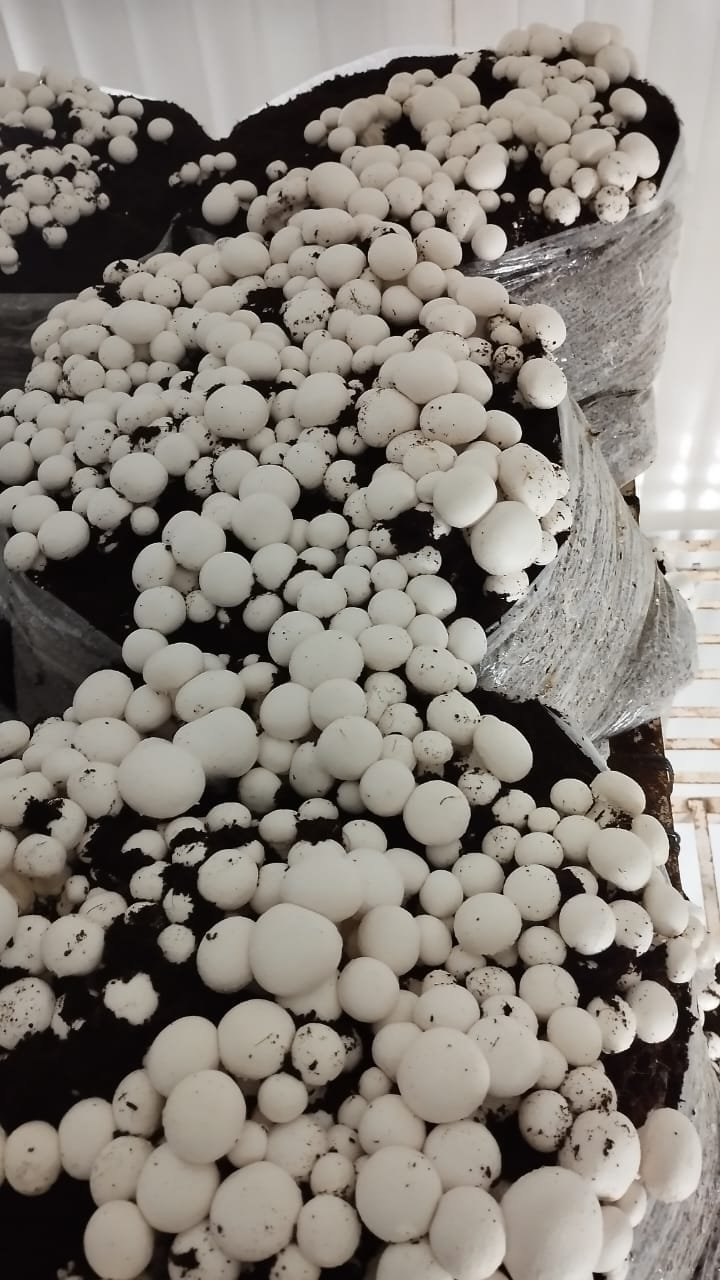
Harvesting is the most important stage in farming where mature crops are carefully collected from the field at the right time. Proper harvesting ensures better quality, higher yield value, and reduced post-harvest losses. The timing of harvesting depends on the type of crop, weather conditions, and market demand.
In modern farming, harvesting is done using both traditional methods and advanced machinery to improve efficiency and reduce labor effort. After harvesting, proper handling, sorting, and storage are essential to maintain freshness and market quality, ensuring maximum profit for farmers.

Organic Methods
Farm Setup & Maintenance
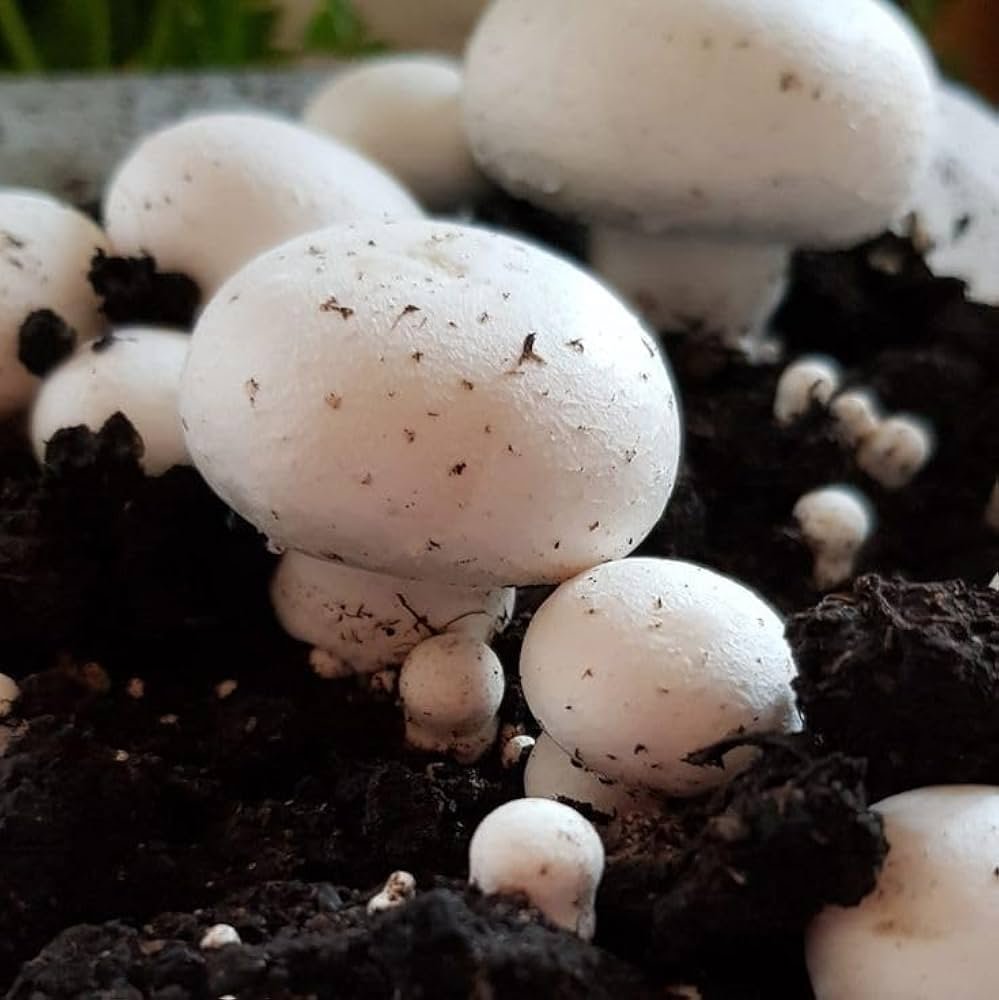
Farm setup and maintenance for off-season farming in India focuses on creating a strong, well-planned agricultural system that supports year-round production and consistent crop quality. It begins with proper land selection and preparation, designing efficient layouts for crops, and installing essential infrastructure such as irrigation systems, drainage, fencing, and protected cultivation structures like polyhouses or shade nets.
Once the farm is established, regular maintenance becomes essential to ensure long-term productivity. This includes soil health management, timely irrigation scheduling, nutrient application, pest and disease control, and routine inspection of tools and structures. Proper upkeep of equipment and infrastructure helps reduce breakdowns, minimize losses, and improve overall efficiency.
With a well-structured setup and consistent maintenance, farmers can achieve higher yields, better quality produce, and more stable income throughout the year, making off-season farming both sustainable and profitable.
We Cultivate Crops To Make Farmers Increase Profits
We focus on cultivating high-quality crops using modern and sustainable farming practices that are designed to maximize yield, improve crop quality, and reduce production costs. Through off-season farming techniques, protected cultivation, and scientific crop management, we help farmers achieve better market prices and more consistent income throughout the year.
Our approach ensures that every stage—from planning and cultivation to harvesting and marketing—is optimized for profitability, so farmers can grow stronger, earn more, and build a stable agricultural future.
Organic Products
Organic products are naturally grown agricultural goods produced without the use of synthetic chemicals, pesticides, or artificial fertilizers. These products are cultivated using eco-friendly methods such as composting, green manure, bio-fertilizers, and natural pest control to ensure purity, nutrition, and soil health.
They are healthier, safer, and more sustainable compared to conventionally grown produce. Organic products not only support better human health but also help protect the environment, improve biodiversity, and maintain long-term soil fertility. With increasing demand in local and global markets, organic farming offers farmers a valuable opportunity to earn better income while promoting sustainable agriculture.
Organic products are grown using natural farming practices that avoid synthetic chemicals and focus on maintaining soil health, ecological balance, and sustainable production systems. These products include fruits, vegetables, grains, pulses, and other agricultural goods cultivated through methods like composting, bio-fertilizers, crop rotation, and natural pest control. Organic farming ensures that the food is safe, nutritious, and free from harmful residues, making it healthier for consumers while also protecting the environment. With rising awareness and demand in both local and global markets, organic products offer farmers better price opportunities, improved soil fertility, and long-term sustainable income generation.
But What About After?
How to Maintain Your Results
Today’s World
Today’s world is rapidly changing with advancements in technology, agriculture, and global connectivity. Modern farming is no longer limited to traditional methods—it now includes smart agriculture, protected cultivation, organic farming, and data-driven techniques that help farmers increase productivity and efficiency.
In this evolving environment, sustainability and innovation have become essential. Farmers are adopting eco-friendly practices, improving resource management, and using better market access strategies to stay competitive. At the same time, global demand for safe, organic, and high-quality food is increasing, creating new opportunities for agricultural growth.
Success in today’s world depends on adaptability, continuous learning, and the ability to use modern tools and knowledge to build a stronger and more sustainable future.
Our Approach
Our approach is based on supporting farmers through practical, sustainable, and modern agricultural solutions that improve productivity and long-term profitability. We focus on combining traditional farming knowledge with advanced techniques such as protected cultivation, organic farming, and scientific crop management to help farmers achieve better results in every season.
We believe in hands-on guidance, continuous learning, and strong co-operative support, ensuring that farmers receive the right training, resources, and market connections. By encouraging innovation, efficient resource use, and environmentally responsible practices, we aim to build a stronger, more stable, and more successful agricultural community.
Our Useful Methods
Latest Agriculture Techniques
We use modern and practical farming methods to improve productivity, reduce costs, and ensure sustainable growth. Our approach combines scientific knowledge with real farming experience to deliver better results in every season.
We focus on latest agriculture techniques like protected cultivation, drip irrigation, crop rotation, soil health management, and integrated pest control. We also promote organic practices and improved seed usage to increase yield and quality.
These methods help farmers reduce risks, save resources, and achieve more profitable and sustainable farming.

Mushroom Farming

Protected Cultivation
Mushroom Plant Design
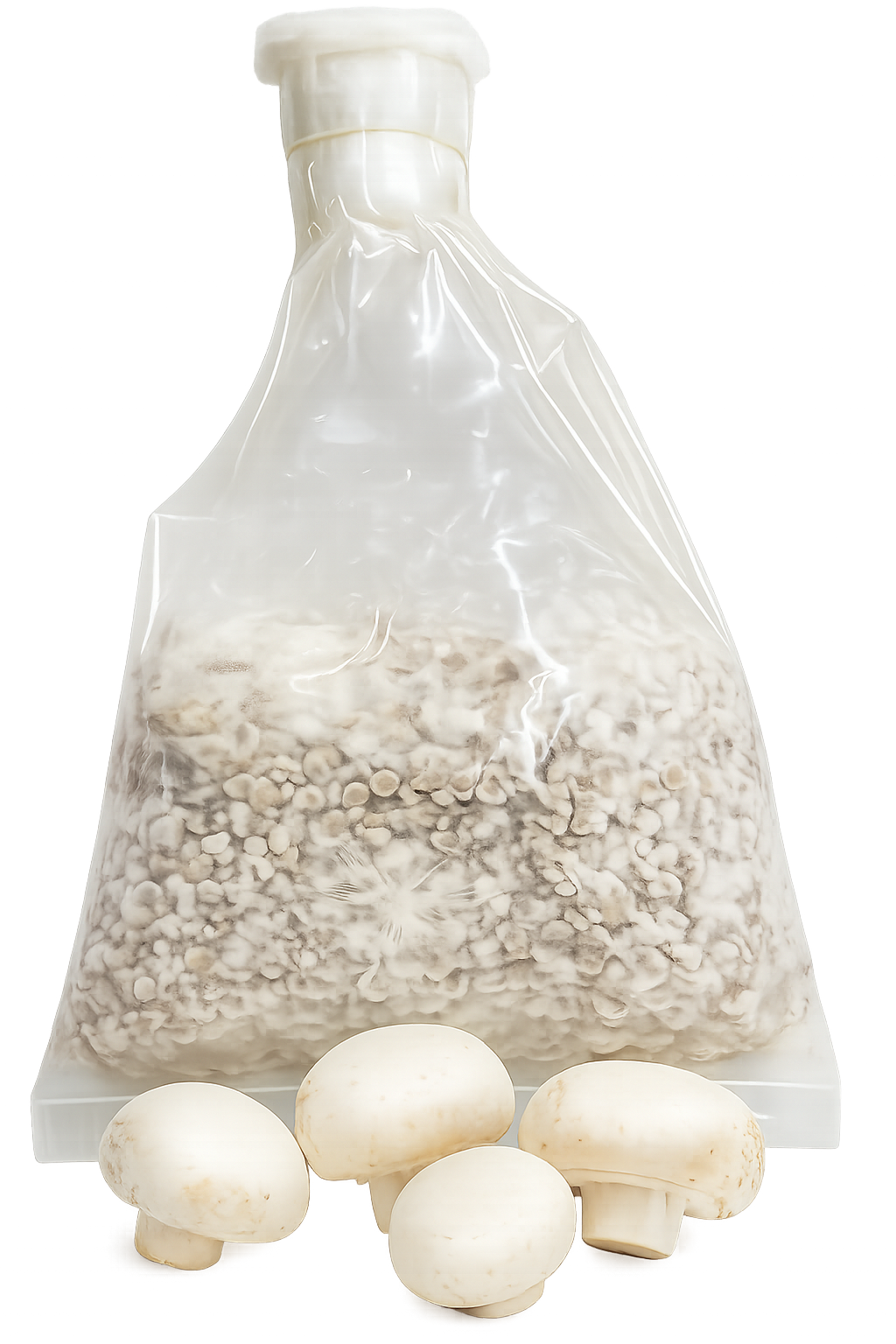
Mushroom Spawn
Frequently Asked Questions (FAQs)
Learn How it Works!
What is mushroom farming?
Mushroom farming is the cultivation of edible fungi under controlled environmental conditions using scientific methods such as composting, spawning, and climate management.
What is mushroom spawn?
Mushroom spawn is the “seed” used in cultivation. It is a pure culture of mycelium grown on grains, which helps in the growth of mushrooms in compost or substrate.
What are the basic requirements for mushroom cultivation?
Key requirements include quality compost, good spawn, controlled temperature, humidity, ventilation, and strict hygiene practices.
What are common problems in mushroom farming?
Common issues include contamination (green mold, bacteria), poor composting, improper temperature control, and pest infestations.
Do you provide consultancy and support?
Yes, Polymath Agro Solution Services offers complete consultancy—from plant design and setup to cultivation guidance and problem-solving.
Which mushroom is best for beginners?
White button mushroom is widely recommended for commercial farming, while oyster mushroom is easier for beginners due to simpler growing conditions.
How important is spawn quality?
Spawn quality is critical. High-quality, contamination-free spawn ensures faster growth, higher yield, and reduced chances of crop failure.
How long does it take to grow mushrooms?
Depending on the type, mushrooms can be harvested within 25–40 days after spawning under proper conditions.
Is mushroom farming profitable?
Yes, with proper planning, scientific methods, and quality inputs, mushroom farming can be a highly profitable agribusiness with quick returns.
How can I start mushroom farming?
You can start by getting proper training, selecting the right infrastructure, and using high-quality spawn. Our team can guide you step-by-step to set up and run a successful unit.